Last Updated on 01/05/2025 by Admin
Exploring the Impact of Hearing Loss on Pet Owners and Their Unique Challenges
The ability to hear is essential for pet owners, as they depend on auditory signals to communicate effectively and build strong relationships with their beloved pets. When pet owners experience hearing loss, they face specific challenges that can significantly alter the dynamics of their relationship with their furry companions. This struggle often creates barriers that impede communication and weaken the emotional connection between owner and pet. Factors contributing to hearing loss include ageing, prolonged exposure to loud sounds, and various medical conditions, all of which can reshape daily interactions between pet owners and their animals.
Age-related hearing loss, known as presbycusis, is a primary cause, marked by a gradual decline in sound perception as individuals age. Pet owners who have spent time in noisy environments, whether due to the hustle and bustle of urban life or jobs involving loud machinery, are at an increased risk of developing hearing issues. Certain medical conditions, such as otosclerosis, recurrent ear infections, or side effects from specific medications, can exacerbate hearing challenges. Understanding these risks enables pet owners to take proactive steps to mitigate the effects of hearing loss on their relationships with their cherished pets.
The consequences of hearing loss in pet owners can manifest in various ways, complicating the pet care experience. For example, owners may find it difficult to hear their pets’ sounds, such as barking or meowing, resulting in misunderstandings about their pets’ needs. Challenges in understanding training commands can hinder effective communication and training efforts, leading to missed cues that indicate distress or discomfort in pets. This disconnect can adversely affect the overall care routine, potentially causing distress for both the owner and the pet.
Recognising the signs of hearing loss is crucial for pet owners who want to maintain a healthy relationship with their animals. Common indicators include difficulty comprehending speech, especially in noisy settings, and struggles in following conversations with multiple speakers. Frequently asking others to repeat themselves or experiencing communication misunderstandings can also signal potential hearing impairment. Pet owners should remain alert to these signs and should not hesitate to consult audiologists if they suspect hearing difficulties. Taking timely action can result in improved communication strategies and the adoption of technologies that enrich interactions with their pets.
Effectively managing hearing loss requires a comprehensive approach that encompasses multiple strategies. The use of assistive devices, such as hearing aids, can significantly improve communication capabilities by amplifying sounds and assisting pet owners in detecting subtle noises made by their pets that they might otherwise overlook. Implementing effective communication techniques—such as speaking clearly and maintaining eye contact—can greatly enhance mutual understanding. Incorporating visual cues, like hand signals, can also strengthen the bond between pet and owner, ensuring that their connection remains strong despite any auditory limitations.
Identifying the Root Causes of Hearing Loss
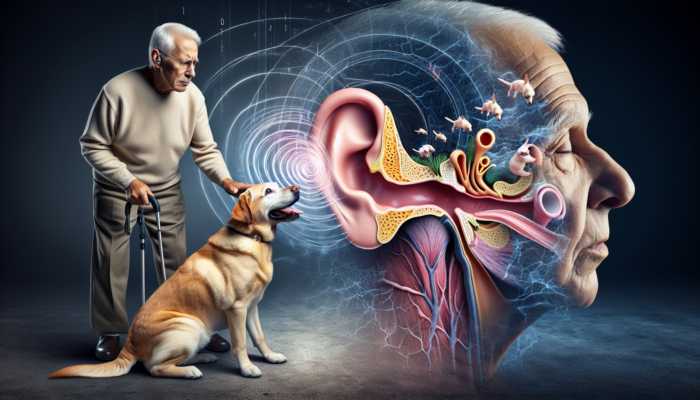
To effectively address the challenges associated with hearing loss, it is crucial for pet owners to understand the various underlying causes. Age-related hearing loss, or presbycusis, is marked by a gradual decline in the inner ear’s functionality, affecting the ability to hear higher frequency sounds over time. This condition is particularly prevalent among pet owners aged 60 and above, who may increasingly struggle to hear their pets during playful interactions or conversations.
Another key cause of hearing loss is noise-induced hearing loss, resulting from prolonged exposure to loud sounds, such as fireworks, construction noise, or even loud music. Pet owners residing in urban environments or those working in noisy industries face a higher risk of developing hearing difficulties. Protecting one’s hearing by using ear protection in noisy environments is essential for long-term auditory health.
Certain medical conditions, including otitis media and Meniere’s disease, can also lead to progressive hearing loss. Individuals with a history of ear infections may experience lasting impacts on their hearing abilities. the side effects of certain medications can contribute to auditory impairment. It is vital for pet owners to stay informed about these medical factors and discuss them with healthcare providers to protect their hearing health.
Genetic predisposition can also play a role in hearing loss; some individuals may inherit a tendency towards auditory impairment based on their family history. Recognising these genetic factors can empower pet owners to participate in regular hearing assessments and adopt proactive measures to safeguard their hearing.
Examining the Impact of Hearing Loss on Pet Care
The challenges posed by hearing loss in pet owners extend into the realm of pet care, highlighting the need for effective communication. Communication is a fundamental aspect of successful pet care, and when owners struggle to hear, it can lead to significant misunderstandings and difficulties in interpreting their pets’ behaviours. For instance, a dog may bark to signal a need to go outside, yet the owner might not hear it, resulting in indoor accidents.
Training also becomes more complicated. Commands that rely on verbal cues may fail if the owner cannot hear their own voice or the responses from their pets. This situation necessitates the adoption of alternative training methods—particularly those incorporating visual commands—which can prove more effective for both the pet and the owner. Such adaptations not only enhance training outcomes but also fortify the bond between pet and owner.
Hearing loss can also hinder social interactions and community engagement. Pet owners may feel isolated if they struggle to participate in conversations at dog parks or community events. This sense of isolation can negatively affect both the owner and the pet, as socialisation is critical for a pet’s development and happiness. Exploring alternative ways to connect with fellow pet owners—such as joining online forums or local support groups—can help alleviate feelings of loneliness.
The emotional toll of hearing loss can influence the relationship between pets and their owners. The bond formed between a pet and its owner thrives on mutual understanding and communication. Barriers created by hearing loss may lead to feelings of frustration or inadequacy for the owner, which can inadvertently impact the pet’s behaviour and emotional well-being.
Identifying the Key Signs of Hearing Loss
Awareness of the signs of hearing loss is vital for pet owners to maintain healthy interactions with their pets. One primary indicator is difficulty understanding speech, particularly in noisy environments or during conversations with multiple individuals. Pet owners may frequently request repetitions or feel frustrated during discussions, especially in bustling social settings. These subtle signs can often go unnoticed, yet they significantly affect communication with pets, frequently leading to misunderstandings regarding their needs.
Another notable sign is the inability to hear certain sounds or higher frequency noises, such as a dog’s bark or a cat’s meow. For pet owners, these auditory cues are essential for interpreting their pets’ moods and needs. Failing to notice these signals can have serious implications for pet care, as owners may not respond promptly to their pets’ distress or playful cues.
Pet owners might find themselves startled by sudden sounds or may shy away from situations where attentive listening is crucial, such as veterinary appointments or dog training classes. These reactions can indicate an underlying hearing issue and can hinder a pet’s care routine. Being proactive about hearing assessments and discussing any difficulties with a healthcare professional can facilitate early intervention and better management strategies.
Educating themselves about the signs of hearing loss can be a powerful tool for pet owners. By remaining vigilant and proactive, they can not only enhance their own experiences but also ensure optimal care for their cherished pets.
Implementing Strategies for Effective Hearing Loss Management

Effectively managing hearing loss is crucial for nurturing the bond between pet owners and their pets. The first step is to utilise assistive devices, such as hearing aids, which can significantly impact communication abilities. These devices amplify sounds, enabling pet owners to pick up on subtle cues from their pets that might otherwise go unnoticed. When selecting a hearing aid, it is essential to seek professional guidance to find a suitable model that aligns with the owner’s lifestyle and degree of hearing loss.
Implementing effective communication techniques can also significantly enhance interactions with pets. Speaking clearly, using a moderate tone, and maintaining eye contact fosters better understanding. Incorporating visual cues into the pet care routine is highly beneficial. Using hand signals for commands can bridge the communication gap, ensuring that pets can still respond effectively to their owners. A consistent set of signals helps reinforce training and establishes a shared language between pet and owner.
Training pets to respond to visual signals is another vital strategy. This approach can be particularly effective for dogs, who are naturally adept at reading body language. Employing positive reinforcement techniques encourages pets to respond to visual cues, enhancing their ability to comprehend commands without relying solely on auditory input. Beginning with simple commands, such as “sit” or “stay,” establishes a strong foundation for further training.
Creating a visually stimulating environment is equally important. Pet owners can fill their surroundings with visual stimuli, such as colourful toys or interactive activities that captivate their pet’s attention. Engaging pets in play that involves visual interactions, such as fetch or hide-and-seek, can also strengthen the bond shared between pet and owner.
Lastly, scheduling regular check-ins with audiologists to monitor hearing health is essential. Awareness empowers pet owners to adapt their care routines and communication strategies as necessary, paving the way for a healthier and happier relationship with their pets.
Mastering Communication Techniques for Pet Owners
Effective communication is the cornerstone of a thriving pet-owner relationship, especially for those facing hearing loss. Without clear communication channels, misunderstandings can arise, resulting in frustration for both the pet owner and their animal. By employing a variety of communication strategies, pet owners can maintain a strong bond with their pets, ensuring their needs are met and their companionship is nurtured.
Utilising Visual Cues and Signals
Visual cues serve as a crucial tool in bridging the communication gap for pet owners experiencing hearing loss. The use of hand signals, gestures, and facial expressions can significantly enhance interactions, creating a more engaging environment for both pets and their owners. Dogs, in particular, are highly responsive to visual signals, making them ideal candidates for this approach.
Establishing a consistent set of hand signals for commands allows pet owners to effectively communicate expectations without relying on verbal cues. For instance, raising a hand to indicate “stay” or gesturing to signal “come” can convey essential commands that ensure a pet’s safety and compliance. Regular practice of these signals reinforces their meaning, helping pets develop a solid understanding of their owner’s intentions.
Body language serves as a powerful communication tool. Pet owners can express excitement or encouragement through their posture and movements, motivating their pets to engage positively. Pairing positive reinforcement techniques, such as treats or praise, with visual commands can further enhance learning and reinforce desired behaviours.
Incorporating visual signals into daily routines can also assist pets in understanding their owners’ expectations. For instance, pet owners can use a specific gesture to indicate feeding time or playtime, establishing a clear connection between the signal and the activity. This not only fosters a sense of structure for the pet but also strengthens the bond between the pet and owner.
Ultimately, leveraging visual cues can significantly enhance communication, allowing pet owners with hearing loss to connect more deeply with their pets and ensure their needs are met effectively.
Exploring Assistive Devices
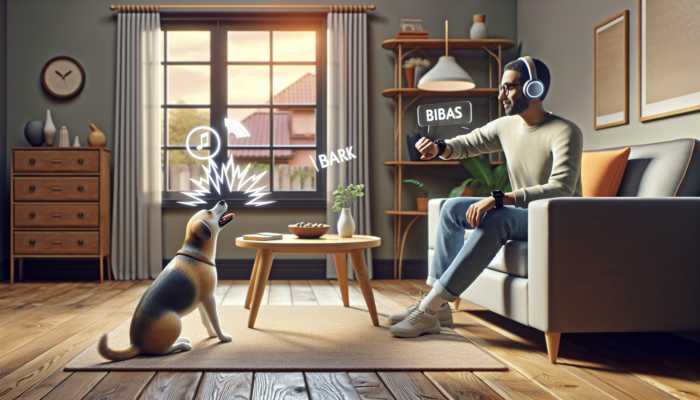
The advent of assistive devices has transformed the way pet owners with hearing loss manage their interactions with their pets. Devices such as vibrating collars or alert systems provide essential support, allowing pet owners to respond effectively to their pets’ needs. These technologies serve to bridge the communication gap, ensuring that pet owners remain engaged in their pets’ routines.
Vibrating collars are particularly useful for training and communication purposes. These collars can emit vibrations to alert pet owners to their pets’ actions or behaviours, such as barking or wandering off. For instance, when a dog barks, the collar can trigger a vibration that prompts the owner to take action. This method enables pet owners to stay aware of their pets’ activities without relying on sound, ensuring that they remain actively involved in their pets’ lives.
Alert systems that utilise visual signals, such as flashing lights or vibrations, can notify pet owners of important events. This technology can be especially beneficial during emergencies or daily routines, providing peace of mind that nothing goes unnoticed. For instance, a doorbell alert system that uses visual cues can help owners understand when someone is at the door, allowing them to address guests while still attending to their pets.
Exploring other assistive devices, such as smartphone applications that translate pet sounds into visual alerts, can be advantageous. These applications can help pet owners interpret the meaning behind various vocalisations, offering insights into their pets’ emotional states and needs. Integrating such technologies into daily routines not only enhances communication but also fosters a deeper understanding between pet owners and their pets.
In summary, the innovative advancements in assistive devices present a wealth of opportunities for pet owners with hearing loss. By embracing these technologies, pet owners can maintain strong connections with their pets, ensuring that their needs are addressed and their companionship flourishes.
Innovative Training Techniques for Pet Owners with Hearing Loss
The significance of effective training techniques cannot be overstated, particularly for pet owners experiencing hearing loss. Adapting traditional training methods to suit the needs of both the pet and the owner can facilitate successful communication and understanding. By employing specialised training techniques, pet owners can ensure that their pets respond effectively to commands, thereby enhancing their overall relationship.
One of the most effective training approaches is to utilise visual and tactile signals as substitutes for verbal commands. Training begins with simple cues, such as teaching pets to sit or stay using hand signals. These cues can be reinforced with positive reinforcement, like treats or praise, to encourage desired behaviours. Establishing a consistent set of signals helps clarify expectations and reinforces learning.
Another effective technique involves breaking down commands into smaller, manageable steps. For instance, when teaching a dog to fetch, pet owners can start by encouraging the pet to simply pick up the toy before advancing to bringing it back. This gradual approach allows pets to better comprehend the task and builds their confidence in following commands. Shorter training sessions can prevent frustration and maintain engagement, ensuring that pets remain eager to learn.
Incorporating play into training can also serve as an effective tool. Engaging pets in games that require them to respond to visual signals not only reinforces training but also fosters a fun and enjoyable atmosphere. Activities such as hide-and-seek or obstacle courses stimulate both the pet and the owner, strengthening their bond while enhancing communication.
Involving family members or friends in training sessions can provide additional support. They can assist in practising commands and reinforcing training techniques, creating a well-rounded approach to pet care. Through collaboration, pet owners can ensure their pets receive consistent reinforcement and exposure to various signals, solidifying their understanding.
In conclusion, utilising specialised training techniques tailored to accommodate hearing loss allows pet owners to foster effective communication with their pets. By implementing visual cues, positive reinforcement, and engaging playtime, they can create a rewarding and enriching environment for their pets.
Addressing the Emotional and Psychological Impact of Hearing Loss on Pet Owners
The emotional and psychological effects of hearing loss in pet owners can profoundly influence the bond between pets and their owners. The inability to communicate effectively can lead to frustration and feelings of isolation, adversely affecting the emotional well-being of both parties. Understanding these emotional challenges and developing coping mechanisms is essential for maintaining a positive relationship with pets.
Overcoming Barriers to Bonding with Pets
Hearing loss can create significant barriers to bonding between pet owners and their pets. A strong relationship is founded on effective communication, understanding, and emotional connection. When auditory signals are diminished or absent, the nuances of communication can be lost, leading to misunderstandings and frustration.
Pet owners may feel disconnected from their pets if they are unable to respond to vocalisations or sounds that indicate distress or excitement. This lack of response can trigger feelings of inadequacy for the owner, further exacerbating emotional distance. Conversely, pets may sense their owner’s frustration or anxiety, which can lead to behavioural issues or a lack of engagement. This cycle can erode the emotional bond that is essential for a rich and fulfilling relationship.
The challenges associated with hearing loss can result in pet owners withdrawing from social interactions. This isolation can foster feelings of loneliness, as pet owners might avoid public spaces where they feel their hearing loss will hinder communication, such as dog parks or community events. The absence of a supportive community can deepen feelings of isolation, potentially leading to mental health concerns.
To overcome these bonding challenges, pet owners should actively seek ways to engage with their pets. Creating a routine that incorporates regular activities, such as playtime or training sessions, can help strengthen their connection. Utilising visual cues and assistive devices can facilitate communication and enhance understanding, mitigating feelings of frustration.
Ultimately, recognising and addressing the emotional challenges of hearing loss in pet owners is vital for fostering a strong and fulfilling relationship with pets. By embracing communication strategies and engaging regularly with their pets, owners can create a more enriching and connected bond.
Establishing Effective Coping Mechanisms
Establishing effective coping mechanisms is essential for pet owners confronting the emotional challenges associated with hearing loss. Seeking support from various resources can help alleviate feelings of isolation and frustration. Joining support groups tailored for individuals facing similar challenges can cultivate a sense of community, allowing pet owners to share experiences and strategies for managing their relationships with their pets.
Community support can also be accessed through local veterinary offices and pet training facilities. Engaging with professionals who understand the complexities of hearing loss can offer invaluable insights and recommendations tailored to the specific needs of pet owners. These experts can suggest alternative training methods or assistive devices that improve communication between pets and owners.
Counselling services can also benefit pet owners grappling with emotional distress linked to hearing loss. Speaking with a licensed professional offers a safe space to express feelings of frustration or apprehension about the future. Through therapy, pet owners can learn coping strategies that enhance resilience and promote positive mental health. Incorporating mindfulness techniques or stress-reduction practices can help pet owners focus on the positives of their relationships with pets rather than dwelling on frustrations.
Engaging in activities that promote emotional well-being is equally vital. Regular exercise, participation in hobbies, and establishing a consistent routine can instil a sense of normalcy and joy in daily life. These activities benefit not only the pet owner but also positively influence their pets, creating a harmonious environment filled with love and companionship.
Recognising the importance of emotional well-being is crucial for pet owners facing hearing loss. By actively seeking support, adopting coping mechanisms, and fostering positive experiences with their pets, owners can overcome emotional challenges and strengthen their bond with their furry companions.
Enhancing Overall Emotional Well-being
Emotional well-being is a crucial element in the pet-owner relationship, particularly for those experiencing hearing loss. Engaging in activities that enhance well-being can significantly improve the connection between pet owners and their pets. Providing opportunities for joy and fulfilment can cultivate a positive emotional environment for both parties.
One effective method for enhancing well-being is through companionship. Pets offer unconditional love and support, serving as a source of comfort during challenging times. Spending quality time together—whether through walks, play, or simple cuddling—can strengthen the bond and promote feelings of happiness.
Incorporating physical activity into daily routines can also positively impact emotional well-being. Regular walks or outdoor playtime benefit pets’ physical health and provide pet owners with a sense of purpose and joy. Exploring local parks or nature trails together fosters shared experiences that enhance the emotional connection.
Involving pets in social activities can create a sense of community and encourage social interactions. Organising playdates with other pet owners, participating in local animal charity events, or joining pet clubs can help mitigate feelings of isolation. Building connections with fellow pet owners can provide valuable support and foster camaraderie, enhancing emotional well-being for both pets and their owners.
Engaging in mindfulness practices, such as meditation or yoga, can benefit emotional health. Including pets in these activities can create a tranquil atmosphere, allowing both the owner and pet to bond over calming experiences. The shared moments of relaxation contribute to overall well-being and strengthen the pet-owner relationship.
In summary, prioritising emotional well-being through shared activities, social connections, and mindfulness practices fosters a deeper bond between pet owners and their pets. By recognising the significance of emotional health, pet owners can enhance their relationships and experience profound joy in their companionship.
Implementing Safety Measures for Pet Owners with Hearing Loss
Ensuring the safety of both pet owners and their pets is paramount, particularly for those experiencing hearing loss. Adapting the home environment and developing emergency plans can significantly enhance the safety and well-being of both parties. Taking precautionary steps empowers pet owners to navigate their daily routines with confidence and security.
Enhancing Home Safety for Pet Owners with Hearing Loss
Home modifications are essential for enhancing safety for pet owners with hearing loss. Implementing visual alert systems can greatly improve awareness of sounds that might otherwise go unnoticed, such as doorbells, smoke alarms, or pets in distress. These systems often utilise flashing lights or vibrations to draw attention, ensuring pet owners are alerted to critical situations.
Installing visual alert systems in key areas of the home can provide peace of mind. For example, placing a flashing light near the front door can notify pet owners of visitors, allowing them to respond promptly while ensuring their pets are attended to. Similarly, smoke detectors equipped with visual alerts can provide an added layer of security, ensuring owners are aware of potential fire hazards in their homes.
Utilising smart home technology can enhance overall safety. Devices that allow remote monitoring, such as cameras or smart speakers, can provide pet owners with insights into their pets’ activities while they are away. This technology enables owners to ensure their pets are safe and secure, even in their absence.
Creating a pet-friendly environment is equally important. Ensuring that living spaces are free from hazards minimises the risk of accidents. For instance, securing loose wires, removing choking hazards, and providing pet-safe spaces can help create a safe environment for pets and their owners alike.
Overall, making home modifications tailored to the unique needs of pet owners with hearing loss can significantly improve safety and enhance the quality of life for both parties, ensuring a harmonious living situation.
Preparing Effectively for Emergencies
Emergency preparedness is crucial for pet owners with hearing loss to ensure the safety of both themselves and their pets. Developing a comprehensive emergency plan allows pet owners to respond effectively to unforeseen situations, minimising potential risks. This plan should encompass various aspects, including evacuation procedures, communication methods, and the well-being of pets.
Creating an emergency kit that includes essential supplies for both the owner and the pet is a key component of preparedness. This kit should contain food, water, medications, leashes, and identification for pets, ensuring their needs are met during emergencies. Including a first-aid kit for both pets and owners can provide peace of mind in case of accidents or injuries.
Establishing a communication plan is equally important. Pet owners with hearing loss should identify alternative methods of communication with family or friends during emergencies. This may include using text messages, visual alerts, or designated meeting points. By developing a clear plan, pet owners can enhance their preparedness and ensure their pets’ safety in critical situations.
Regular drills can enhance familiarity with emergency procedures. Practising evacuation routes and ensuring pets are comfortable with travel can reduce stress during real emergencies. Familiarising pets with carriers or travel crates can facilitate smoother transitions when evacuating.
Lastly, keeping important documents, such as veterinary records and identification, easily accessible can save time during emergencies. Pet owners should consider creating digital copies of these documents to ensure they are readily available, regardless of the situation.
In summary, prioritising emergency preparedness is essential for pet owners with hearing loss. By developing a comprehensive plan, creating emergency kits, and practising procedures, pet owners can safeguard their well-being and that of their beloved pets.
Engaging in Outdoor Activities Safely
Participating in outdoor activities is vital for the well-being of both pets and their owners, yet it requires careful planning for those with hearing loss. Taking precautions during outdoor excursions can prevent accidents and ensure safety. By implementing strategies that consider hearing limitations, pet owners can fully enjoy outdoor experiences with their pets.
When venturing outdoors, pet owners should carefully assess their environment. Selecting safe and familiar locations reduces potential hazards. Urban areas characterised by heavy traffic or crowded parks can pose challenges for pet owners with hearing loss. Opting for quieter settings, such as nature trails or designated dog parks, can enhance the experience and alleviate stress.
Utilising visual cues during outdoor activities can significantly improve communication. Employing hand signals or gestures can help reinforce commands and ensure pets remain engaged. Establishing consistent signals for recall or safety commands is essential, particularly in environments filled with distractions.
Investing in safety gear can bolster protection for both owners and their pets. Reflective collars, leashes, or harnesses can enhance visibility during evening walks or in low-light conditions. This increased visibility ensures that both the owner and the pet remain safe and easily observed by others.
Enlisting a companion during outdoor activities can provide additional support. Having a friend or family member accompany the pet owner allows for effective communication and enhances safety. Companions can assist in monitoring surroundings, ensuring that the pet owner can concentrate on their pet’s needs without concern for their safety.
Ultimately, embracing outdoor activities is essential for the health and happiness of pets and their owners. By taking precautions and adapting to the unique challenges of hearing loss, pet owners can create enjoyable and safe experiences while nurturing their bond with their pets.
Implementing Effective Communication Strategies
Establishing effective communication strategies is key to enhancing interactions between pet owners with hearing loss and their pets. Developing alternative methods of communication can significantly improve understanding and strengthen the bond shared between pet and owner. By utilising a combination of visual and tactile cues, pet owners can facilitate better communication and foster a deeper connection.
Incorporating sign language or gestures can prove to be an effective way to convey commands or expectations. Training pets to recognise specific hand signals fosters understanding and provides clarity during interactions. Consistency in using these signals during daily routines helps reinforce learning and creates a shared language between pet and owner.
Written notes or visual reminders can aid communication. Pet owners might utilise whiteboards or note cards to communicate messages to other family members or caretakers, ensuring that their pets’ needs are consistently met. This approach fosters cooperation and enhances the overall care routine, allowing for seamless communication.
Leveraging technology, such as smartphones or tablets, can enhance communication methods. Applications that translate spoken language into text or visual alerts can bridge the communication gap. These tools enable pet owners to stay informed and connected, ensuring they can engage in meaningful interactions with their pets.
Creating a routine that incorporates regular communication can also foster understanding. Consistent practices, such as daily training sessions or playtime, provide opportunities for pet owners to connect with their pets and reinforce positive behaviours. By establishing a structured environment, pet owners can ensure their pets feel secure and understood.
In summary, embracing creative communication strategies is vital for enhancing the bond between pet owners with hearing loss and their pets. By utilising visual cues, written reminders, and technology, pet owners can navigate the challenges of hearing loss and maintain a strong connection with their furry companions.
Accessing Support and Resources for Pet Owners with Hearing Loss
Accessing support and resources is essential for pet owners experiencing hearing loss. Numerous avenues are available for individuals seeking assistance in navigating the challenges associated with hearing impairment while caring for their pets. By leveraging community support, professional resources, and educational materials, pet owners can enhance their experience and maintain strong relationships with their beloved companions.
Connecting with Community Support
Connecting with other pet owners facing similar challenges can provide invaluable support and advice. Online forums, local support groups, and social media communities can foster a sense of belonging and diminish feelings of isolation. By sharing experiences and strategies for managing hearing loss, pet owners can gain insights that enhance their relationships with their pets.
Many communities offer organised events, such as meetups or workshops, specifically designed for individuals with hearing loss. These events can provide pet owners with opportunities to network, share stories, and gain valuable information about resources available in their area. Local animal shelters may also have programmes that connect pet owners with resources and support, ensuring they feel empowered in their pet care journeys.
Engaging with local veterinarians or pet trainers can provide tailored solutions for pet owners. Professionals who understand the unique challenges of hearing loss can offer recommendations for training techniques, assistive devices, and effective communication strategies. Building rapport with these experts fosters a collaborative approach to pet care, allowing pet owners to ensure their pets receive the best possible support.
Ultimately, the power of community support cannot be underestimated. By connecting with others who share similar experiences, pet owners can cultivate meaningful relationships, gain valuable insights, and enhance their overall experience with their pets.
Seeking Professional Assistance for Hearing Loss Management
Seeking professional assistance is a proactive approach for pet owners navigating the challenges of hearing loss. Audiologists, pet trainers, and behaviour specialists can provide tailored solutions that align with the unique needs of both the owner and their pets. Engaging with these professionals empowers pet owners to enhance communication and improve their pet care routines.
Audiologists play a critical role in assessing hearing health and recommending assistive devices. Regular check-ups allow pet owners to stay informed about their hearing condition and make necessary adjustments to their hearing aids or other devices. These professionals can offer guidance on how to integrate these devices into daily life, ensuring that pet owners can effectively navigate their environments.
Pet trainers with experience in working with individuals who have hearing loss can provide insights into effective training techniques. They can offer tailored strategies for teaching pets visual commands and reinforcing positive behaviours. This collaboration ensures that both the owner and their pet can thrive in a supportive environment, enhancing their relationship and communication.
Consulting with behaviour specialists can address any behavioural issues that may arise due to miscommunication. These professionals can provide assessments and recommendations for addressing anxiety or behavioural challenges in pets, ensuring that both the pet and owner feel secure and understood.
In conclusion, seeking professional assistance is a valuable resource for pet owners experiencing hearing loss. By leveraging the expertise of audiologists, pet trainers, and behaviour specialists, pet owners can enhance their communication and overall pet care experience.
Utilising Educational Materials for Better Understanding
Accessing educational materials is essential for pet owners seeking to understand and manage their hearing loss effectively. Numerous resources, including books, articles, and online courses, are available to enhance knowledge and provide practical guidance. By utilising these resources, pet owners can empower themselves to navigate the challenges associated with hearing loss while ensuring optimal care for their pets.
Books and articles on hearing loss, pet training, and effective communication strategies can offer valuable insights and tips tailored to pet owners’ unique needs. Many resources specifically address the intersection of hearing loss and pet ownership, providing practical advice on managing relationships with pets.
Online platforms often provide webinars and courses focused on hearing loss management and pet care. These interactive resources cover a range of topics, including effective communication techniques, assistive devices, and training methods. Engaging in these educational opportunities allows pet owners to stay informed about best practices and emerging trends in pet care and hearing health.
Local libraries and community centres may host workshops or seminars focused on hearing loss and pet care. These events can foster community engagement and provide pet owners with opportunities to ask questions and seek advice from experts.
Utilising educational materials empowers pet owners to take control of their hearing health and enhance their interactions with their pets. By actively seeking knowledge and resources, pet owners can cultivate a deeper understanding of their experiences and ensure they provide the best possible care for their furry companions.
Envisioning the Future of Hearing Loss Management for Pet Owners
The future of addressing hearing loss in pet owners is promising, as advancements in technology and ongoing research pave the way for a more inclusive landscape in pet ownership. Continuous innovation in assistive devices and an increased focus on advocacy and awareness can enhance the quality of life for pet owners experiencing hearing loss.
Embracing Technological Innovations for Improved Communication
Innovations in technology hold the potential to revolutionise how pet owners with hearing loss manage interactions with their pets. Recent developments in hearing aids, communication apps, and assistive devices are specifically designed to cater to the needs of individuals experiencing hearing impairment. As technology continues to evolve, pet owners can anticipate more accessible and user-friendly solutions.
For instance, hearing aids equipped with advanced features, such as connectivity to smartphones, allow users to receive notifications, alerts, and even translations of sounds emitted by pets. This integration fosters a more immersive experience, enabling pet owners to stay engaged with their pets’ needs and activities.
Wearable technology that tracks pets’ behaviours can provide valuable data to pet owners. Devices that monitor activity levels, health metrics, and location can enhance communication and understanding between pets and their owners. This data-driven approach empowers pet owners to make informed decisions about their pets’ care, ultimately improving their overall well-being.
Expanding accessibility to smart home technology can significantly enhance the safety and communication of pet owners. Innovations utilising visual cues or alerts for critical notifications, such as doorbells or potential hazards, can create a more secure environment for pet owners with hearing loss. As these technologies gain traction, they will play a crucial role in enhancing the quality of life for pet owners and their furry companions.
In summary, the future of technology holds tremendous promise for pet owners experiencing hearing loss. As advancements continue to emerge, innovative solutions will empower pet owners to foster deeper connections with their pets and enhance their overall quality of life.
Research and Development: Shaping Future Solutions
Ongoing research into hearing loss and its impact on daily life continues to yield valuable insights that can benefit pet owners. Scholars and professionals are increasingly recognising the unique challenges faced by pet owners with hearing loss, leading to targeted studies aimed at improving understanding and addressing their needs.
Research exploring the effectiveness of assistive devices, communication strategies, and training techniques specific to pet ownership can provide critical data. Findings from these studies can inform the development of tailored resources and strategies catering specifically to the needs of pet owners experiencing hearing loss. Understanding the emotional and psychological effects of hearing loss can guide interventions aimed at promoting well-being and fostering strong pet-owner bonds.
Collaboration between hearing health professionals, pet trainers, and behaviour specialists can further enhance the research landscape. By sharing expertise and insights, these professionals can develop comprehensive solutions that address the multifaceted challenges faced by pet owners with hearing loss. This collaborative effort can lead to improved training programmes, support resources, and communication strategies designed to empower pet owners.
Involving pet owners in research studies can yield valuable information about their experiences and preferences. Gathering firsthand accounts of challenges faced and successful strategies employed can guide future initiatives and resource development. This participatory approach ensures that the voices of pet owners are heard and considered in shaping the future of support and resources available to them.
In conclusion, ongoing research and development hold significant potential for enhancing the experiences of pet owners facing hearing loss. By prioritising collaboration and actively involving pet owners in the research process, professionals can create a more inclusive and supportive environment for individuals navigating these unique challenges.
Advocacy and Awareness: Driving Positive Change
Increasing advocacy and awareness for the needs of pet owners with hearing loss is crucial for driving positive change within the community. By fostering a culture of understanding and support, society can work to dismantle barriers and enhance the quality of life for pet owners experiencing hearing loss.
Awareness campaigns highlighting the challenges faced by pet owners with hearing loss can play a vital role in promoting empathy and understanding. Educational initiatives aimed at the general public can help dispel misconceptions about hearing loss and encourage more inclusive practices. These campaigns can also provide valuable resources and information to pet owners seeking assistance.
Collaborating with organisations focused on hearing health and animal welfare can amplify advocacy efforts. Partnerships formed between audiologists, veterinarians, and animal behaviourists can create a unified voice advocating for the needs of pet owners with hearing loss. This collaboration can lead to the development of resources, workshops, and training programmes tailored to the unique challenges faced by this population.
Involving pet owners in advocacy efforts empowers them to share their experiences and insights. Creating platforms for pet owners to tell their stories can foster a sense of community and solidarity, encouraging others to join the movement for change. This grassroots approach can amplify the voices of pet owners and inspire action within the broader community.
In summary, advocacy and awareness are essential components of improving the experiences of pet owners facing hearing loss. By fostering understanding, building partnerships, and empowering individuals to share their stories, we can create a more inclusive environment that supports the needs of all pet owners and their furry companions.
Frequently Asked Questions (FAQs)
What are the common signs of hearing loss in pet owners?
Common indicators of hearing loss in pet owners include difficulty understanding speech, frequently asking for repetitions, and being startled by loud sounds. Pet owners may also struggle to hear their pets’ vocalisations, such as barking or meowing.
How can visual cues assist pet owners with hearing loss?
Visual cues, such as hand signals and gestures, can bridge the communication gap between pet owners and their pets. Utilising consistent visual commands helps pets understand their owners’ expectations without relying solely on auditory signals.
What assistive devices can help pet owners manage hearing loss?
Assistive devices like hearing aids, vibrating collars, and visual alert systems can significantly improve communication for pet owners with hearing loss. These devices aid owners in responding to their pets’ needs and ensuring their safety.
How can pet owners strengthen their bond with pets despite hearing loss?
Pet owners can enhance their bond with their pets by engaging in regular activities, using visual cues, and incorporating positive reinforcement during training. Creating a structured routine fosters understanding and strengthens the connection.
What coping mechanisms are effective for pet owners with hearing loss?
Effective coping strategies include joining support groups, seeking professional assistance, and engaging in mindfulness practices. Connecting with others facing similar challenges can provide valuable insights and emotional support.
How can pet owners prepare for emergencies with hearing loss?
Pet owners can enhance emergency preparedness by creating a comprehensive emergency plan that includes an emergency kit, establishing communication methods with family or friends, and regularly practising evacuation procedures.
What role does community support play for pet owners with hearing loss?
Community support offers valuable connections and resources for pet owners facing hearing loss. Engaging with local support groups, veterinarians, and pet trainers fosters a sense of belonging and provides practical advice.
How can technology improve the lives of pet owners with hearing loss?
Technological advancements, such as smart home devices and apps designed for hearing loss management, can enhance communication and safety for pet owners. These innovations enable pet owners to stay informed about their pets’ needs.
What resources are available for pet owners seeking to manage hearing loss?
Pet owners can access educational materials, workshops, and online resources focused on hearing loss management and pet care. Seeking professional guidance from audiologists and pet trainers can provide tailored support.
What is the future outlook for pet owners with hearing loss?
The future outlook for pet owners with hearing loss is promising, with advancements in technology, ongoing research, and increased advocacy efforts aimed at creating a more inclusive environment for pet ownership.
Explore our journey on X!
The post Hearing Loss Challenges for Pet Owners: A Comprehensive Guide appeared first on The Microsuction Ear Wax Removal Network.
Originally posted 2025-05-02 03:13:51.
The post Hearing Loss Challenges for Pet Owners Explained appeared first on Healthcare Marketing Service.